Quick answer
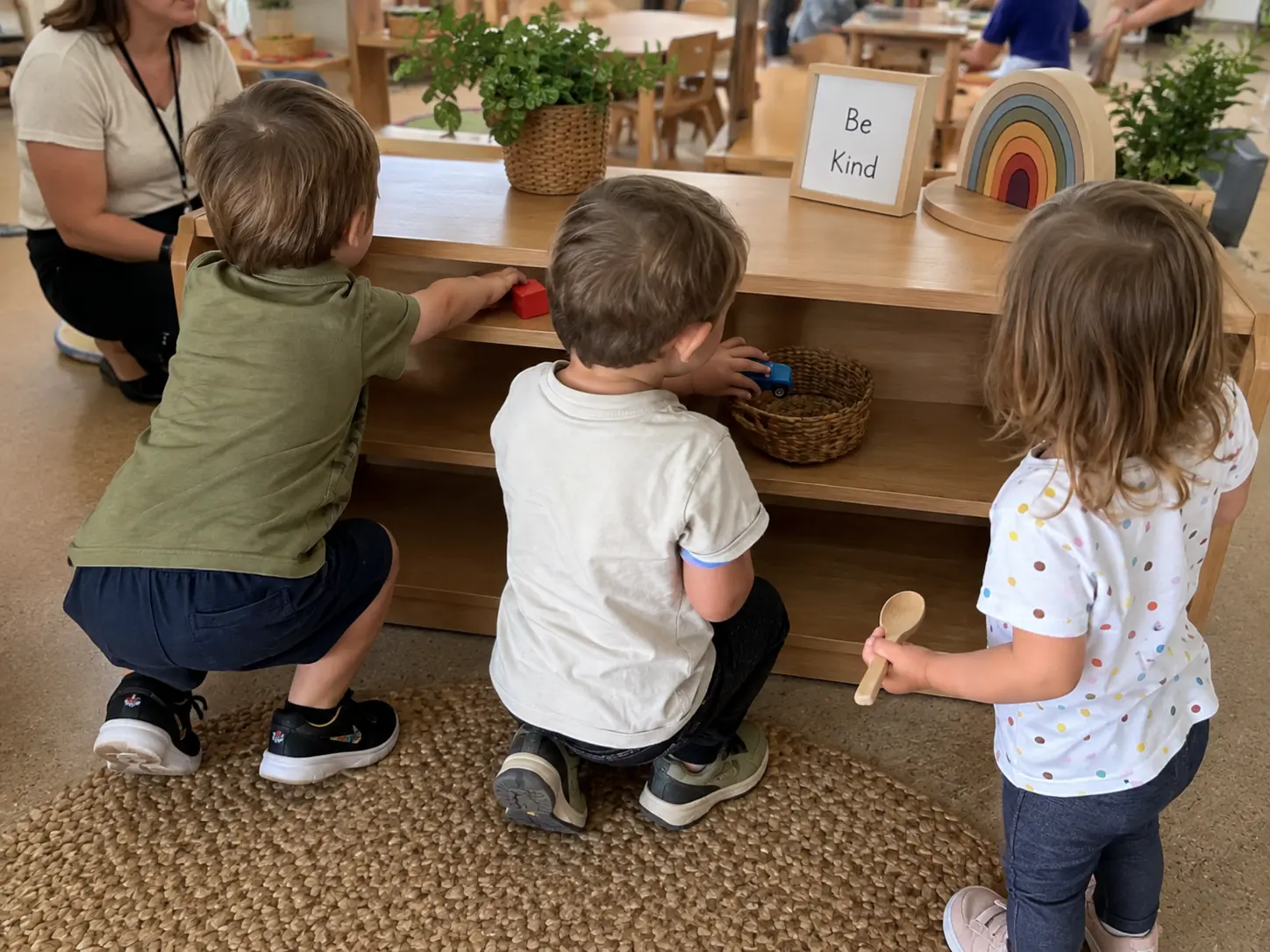
School readiness is not a race to finish worksheets before school starts. It is the gradual development of skills that help a child participate, communicate, explore, manage familiar routines and feel confident in a learning environment. Play gives children a natural way to practise these skills.
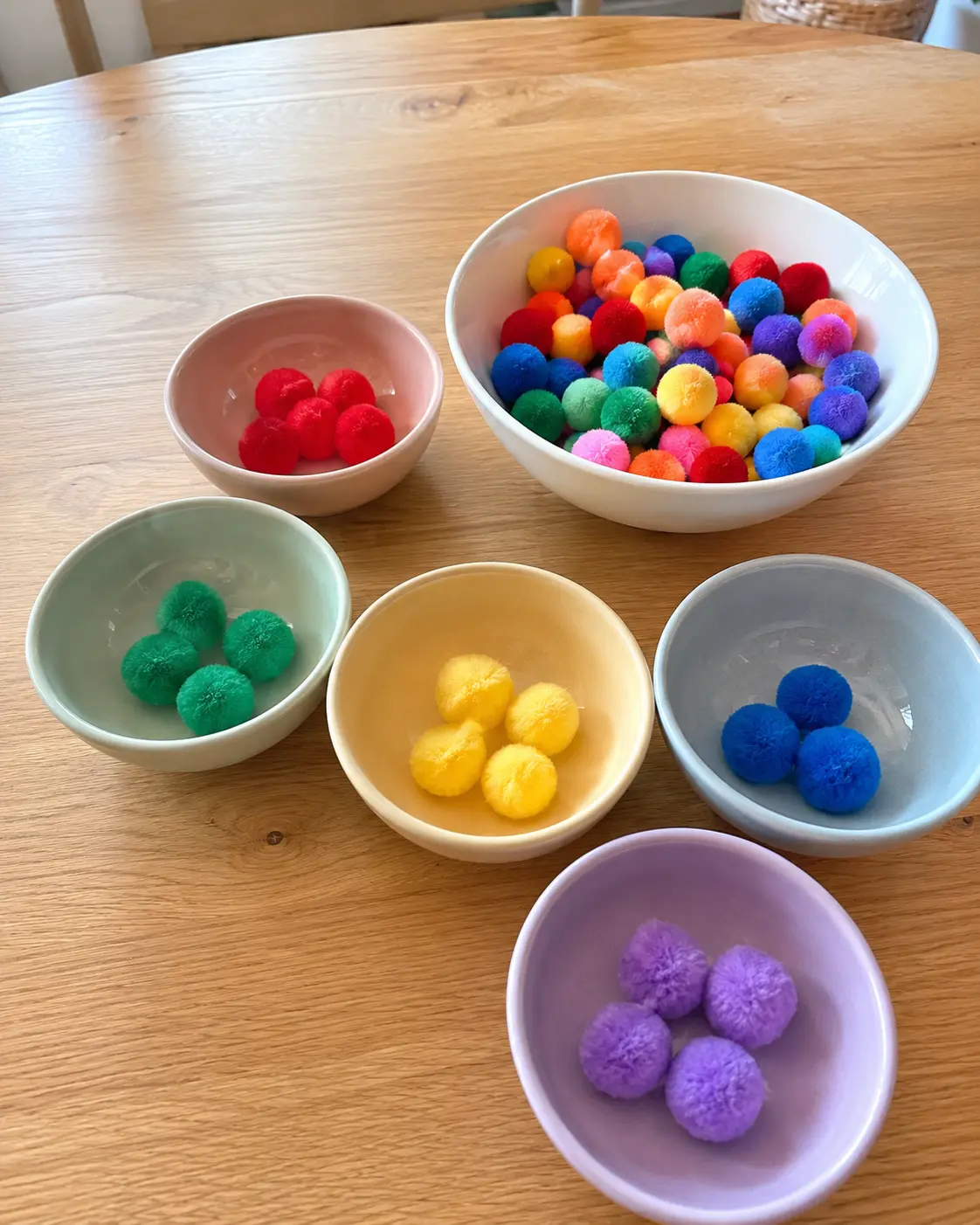
In Australia, the Early Years Learning Framework places strong emphasis on play-based learning. For families, this can be very practical: sorting pom poms, copying a block pattern, listening for a first sound, counting toy animals or using a visual morning routine.
What school readiness can look like
| Area | Everyday examples | Play ideas |
|---|---|---|
| Communication | Listening, asking for help, sharing an idea | Pretend play, picture talk, action games |
| Attention | Joining a short activity and returning after a pause | Pattern copying, puzzles, matching |
| Early literacy | Enjoying books and noticing sounds and letters | SATPIN sound match, rhymes, story play |
| Early numeracy | Counting objects and comparing groups | Count toys, sort objects, make patterns |
| Movement | Using hands, tools and whole-body actions | Tongs, playdough, drawing, obstacle games |
| Independence | Following familiar steps and looking after belongings | Routine cards, First / Then, pack-away games |
Six practical ways to build readiness through play
1. Strengthen hands through sorting
Moving pom poms between bowls with fingers or child-safe tongs can practise hand-eye coordination, colour recognition and sustained attention. Start with two colours and let the child use fingers if tongs are difficult.
Try the Pom Pom Colour Sorting Activity.
2. Practise looking and copying
Build a pattern with two or three blocks and invite the child to make the same one. This gives a clear visual goal and allows the child to check their own work.
Try the Copy the Pattern Blocks Game.
3. Play with speech sounds
Use a small set of letters and familiar pictures. Say the first sound clearly, then match the picture. Keep the focus on hearing and enjoying sounds rather than testing.
Try the SATPIN Letter Sound Game.
4. Count objects the child can touch
Ask for three cars or place five blocks in a basket. Touching one object for each number word helps counting become meaningful.
5. Turn routines into visible steps
A picture chart can show what happens now and what comes next. Practise with the chart at a calm time before expecting it to help on a busy morning.
Use the Morning Routine Chart.
6. Practise simple instructions during play
Short directions such as “put the red block in the bowl” or “jump, then clap” make listening playful. One successful step can come before two-step directions.
Read How to Help Your Child Follow Instructions Through Play.
A realistic weekly rhythm
You do not need a full program. Choose one activity on a few days each week and repeat favourites. A child might sort on Monday, copy a pattern on Tuesday, play a sound game on Wednesday, count toys on Thursday and practise routine cards on Friday. The free pack includes a simple five-day plan.
Keep readiness inclusive
Children learn and participate in different ways. A child may point instead of speaking, use fingers instead of tongs, copy one block instead of five, or need a movement break. Adjusting an activity is not lowering its value; it is making participation possible.
If you are concerned about hearing, communication, movement, attention, anxiety or daily participation, speak with your child’s educator, GP or an appropriate child-development professional for individual guidance.
Safety and limits
Check every activity for choking risks, allergies, water, tools, sun exposure and the supervision needs of the child in front of you. Age ranges are guides and play activities cannot assess development or guarantee school readiness. Stop if an activity becomes unsafe or distressing.
Explore the complete cluster
- 5 Simple School Readiness Activities
- Pom Pom Colour Sorting
- Copy the Pattern Blocks Game
- SATPIN Letter Sound Game
- Counting 1–10 with Toys
- Morning Routine Chart for Preschoolers
- Help Your Child Follow Instructions Through Play
- Best School Readiness Toys for 3-5 Year Olds
- Free School Readiness Starter Pack
Frequently asked questions
What does school readiness mean?
It includes communication, social and emotional skills, movement, attention, independence, confidence and early learning experiences. It is not one test.
Does my child need to read before school?
No. Enjoying books, talking, noticing sounds and becoming curious about print are useful beginnings.
How long should activities take?
Start with five to ten minutes and follow the child’s interest.
What if development looks different?
Use age ranges as guides and adapt the task. Seek individual advice if you have concerns.