Quick answer
Children are more likely to follow an instruction when they are ready to notice it, understand the words and organise the next action. Get close, gain attention, use one short step and wait. Practise during play so the skill is not only associated with rushed or stressful moments.
Following instructions is more than obedience
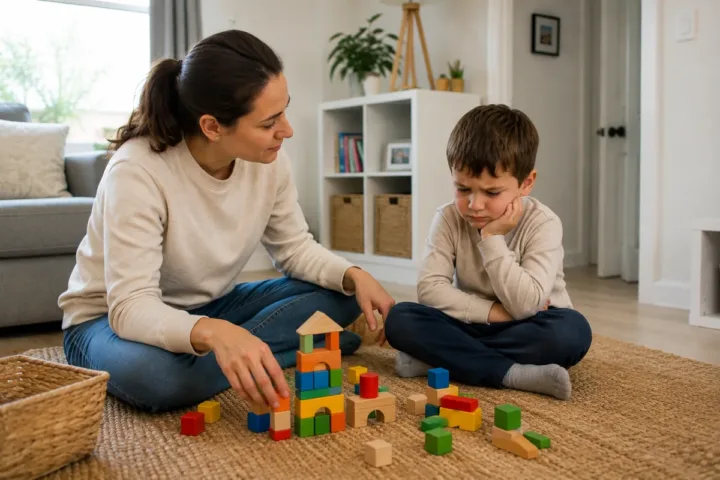
A child may not respond because the instruction is long, the environment is noisy, they are focused elsewhere, they need more processing time or they are unsure how to begin. Changing the instruction can be more useful than saying it louder.
Six things to try
1. Connect before you direct
Say the child’s name, move nearby, use a calm voice and point to the relevant object. Wait for a pause or sign that the child has noticed.
2. Give one step
Instead of “Get your socks, shoes and bag and come back,” begin with “Get your socks.” Give the next step after the first is finished.
3. Use First / Then
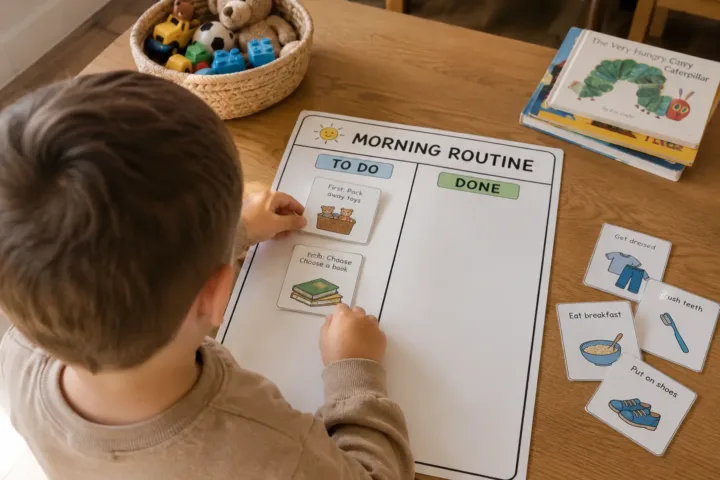
Try “First pack away, then book” or “First shoes, then outside.” This shows the sequence without a long explanation.
4. Add a visual or gesture
Point to the basket, show a picture card or hold up the object. Some children understand more easily when words and visuals are combined.
5. Practise during play
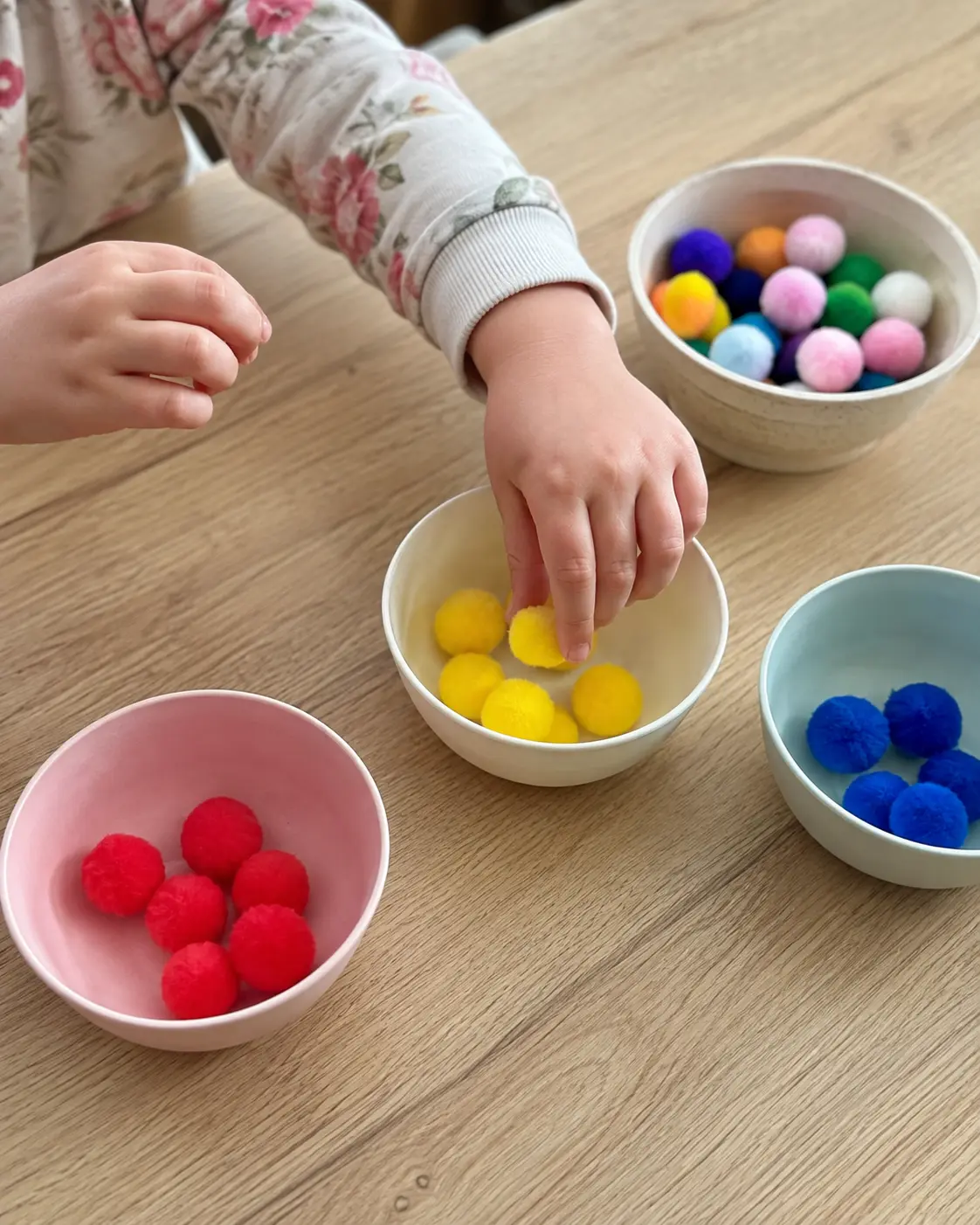
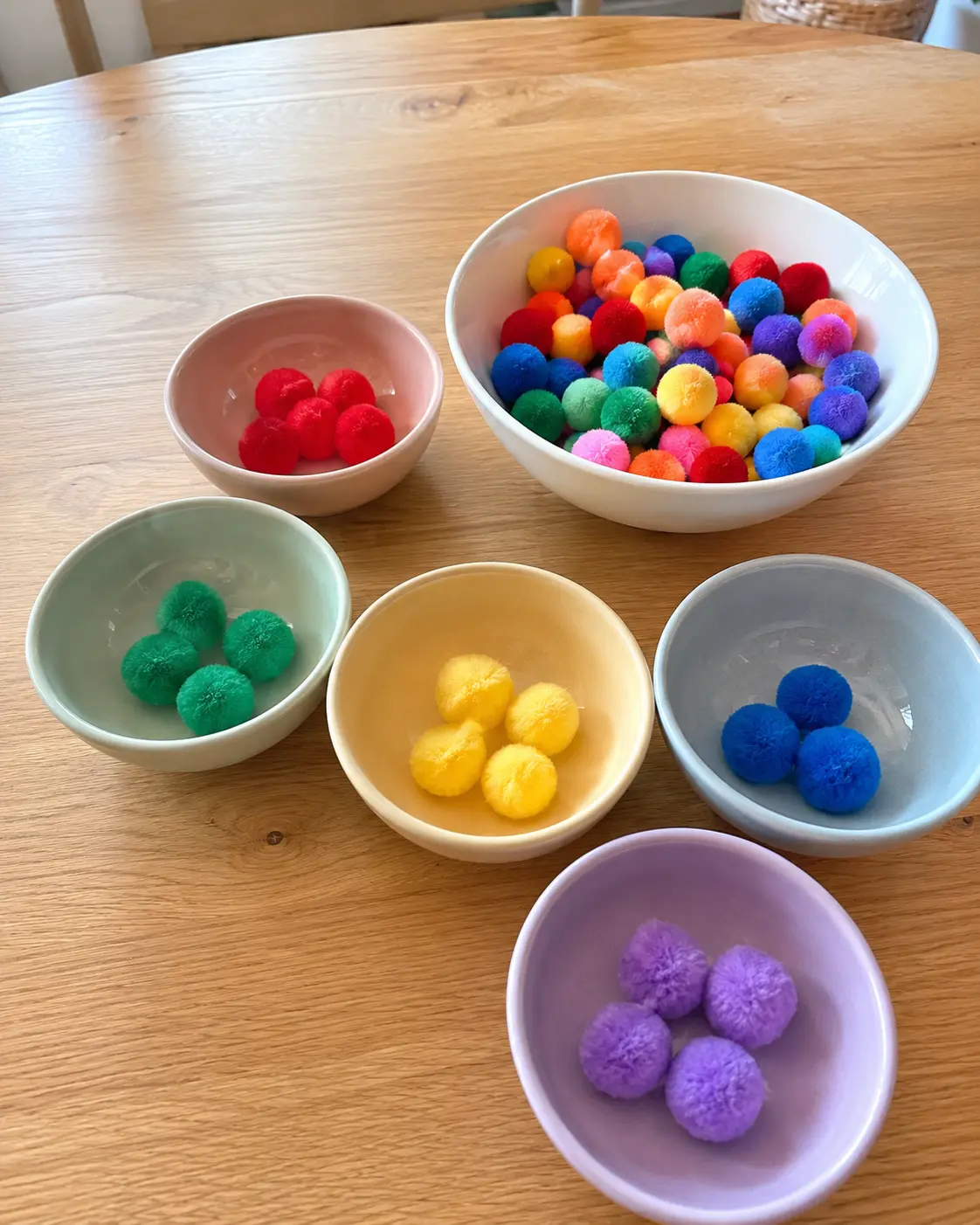
Say “Put the red block in the bowl,” “Give teddy a spoon” or “Jump, then clap.” Keep it fun and achievable.
6. Notice the successful step
Use specific feedback: “You put the block in the box” or “You followed the first step.”
| Instead of saying | Try saying |
|---|---|
| “I told you already.” | “First shoes, then outside.” |
| “Why aren’t you listening?” | “One step: blocks in the box.” |
| “Do everything now.” | “First toilet, then wash hands.” |
| “Hurry up.” | “Next step: bag on.” |
Five play-based games
- Copy my action: clap, touch your head or jump once.
- One-step treasure hunt: find the red block or bring one spoon.
- First / Then game: complete one picture card, then choose a book.
- Routine card practice: put finished cards in the Done column.
- Pattern copying: follow a visual model rather than spoken language alone.
Keep expectations realistic
Following instructions varies with fatigue, hunger, interest, environment and the size of the task. Progress might look like responding with a gesture, completing one step with support or returning after a movement break.
Safety and limits
Give immediate, direct safety instructions when there is danger rather than turning the moment into a game. Play-based practice does not assess hearing, language, attention or development and cannot replace individual professional advice.
When to seek individual advice
If following directions is very difficult across settings, or you are concerned about language understanding, hearing, attention, anxiety or transitions, speak with the child’s teacher, GP, speech pathologist, occupational therapist or another relevant professional.
Frequently asked questions
Why are instructions difficult?
The words, timing, environment or task may be too demanding, or the child may need more processing time or support.
Should I repeat the direction?
Shorten it instead and add a gesture or visual.
When should I ask for help?
Ask when difficulties are frequent across daily life or you have concerns about language, hearing, attention, anxiety or transitions.