Quick answer
Move close, say the child’s name, wait for their attention and give one clear instruction in calm, positive language. Allow processing time, help the child begin if needed and notice the cooperation you want to see again.
Why “not listening” can happen
A preschooler might be deeply involved in play, tired, hungry, overwhelmed, unsure what the words mean or unable to remember several steps. Looking at what is happening before and after the behaviour is usually more useful than assuming defiance.
Try these steps
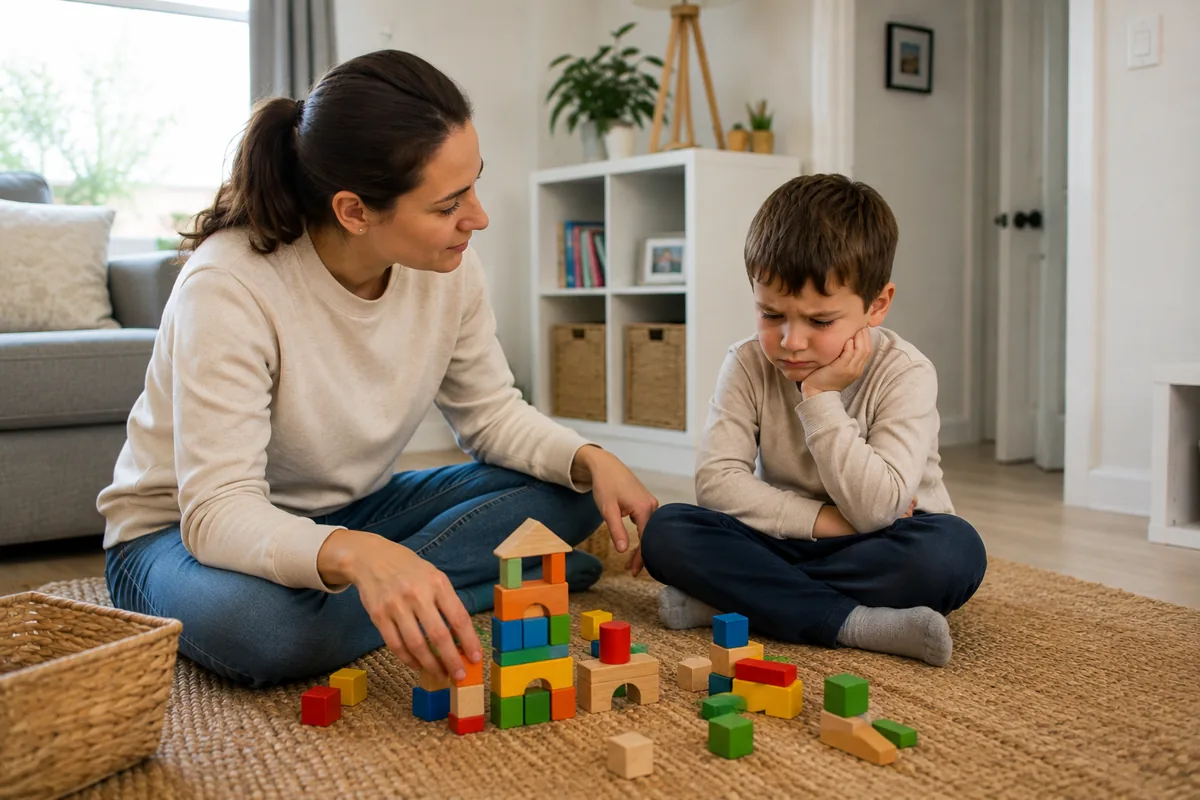
- Connect first: move within easy hearing distance and use the child’s name.
- Give one step: say “Shoes on, please” rather than a long explanation.
- Use positive wording: explain what to do, not only what to stop.
- Pause: allow a few seconds for the child to process and respond.
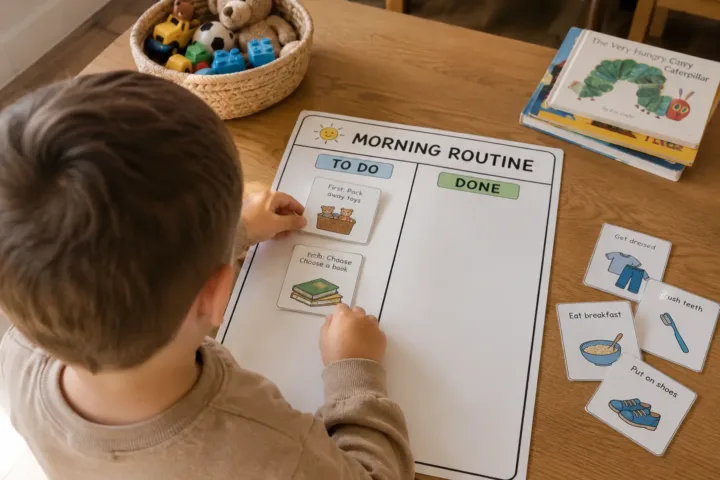
- Help the start: point to the shoes or begin the first action together.
- Notice cooperation: describe it specifically: “You put the blocks in the basket.”
Limits and when to seek support
No single strategy works every time, and calm parenting does not mean allowing unsafe behaviour. Use clear boundaries and immediate safety action when needed. If listening concerns are persistent across settings or you also notice hearing, language, developmental, anxiety or participation concerns, speak with the child’s educator, GP or an appropriate professional.
Related resources
Frequently asked questions
Is not listening deliberate?
Not always. Attention, understanding, memory and emotion can all affect response.
Should I repeat myself?
Shorten the request, connect first and add a visual cue.
When should I ask for help?
Seek individual advice when concerns are persistent or affect daily participation or safety.